
Septic Tank Do's and Don'ts: Avoid Common Mistakes
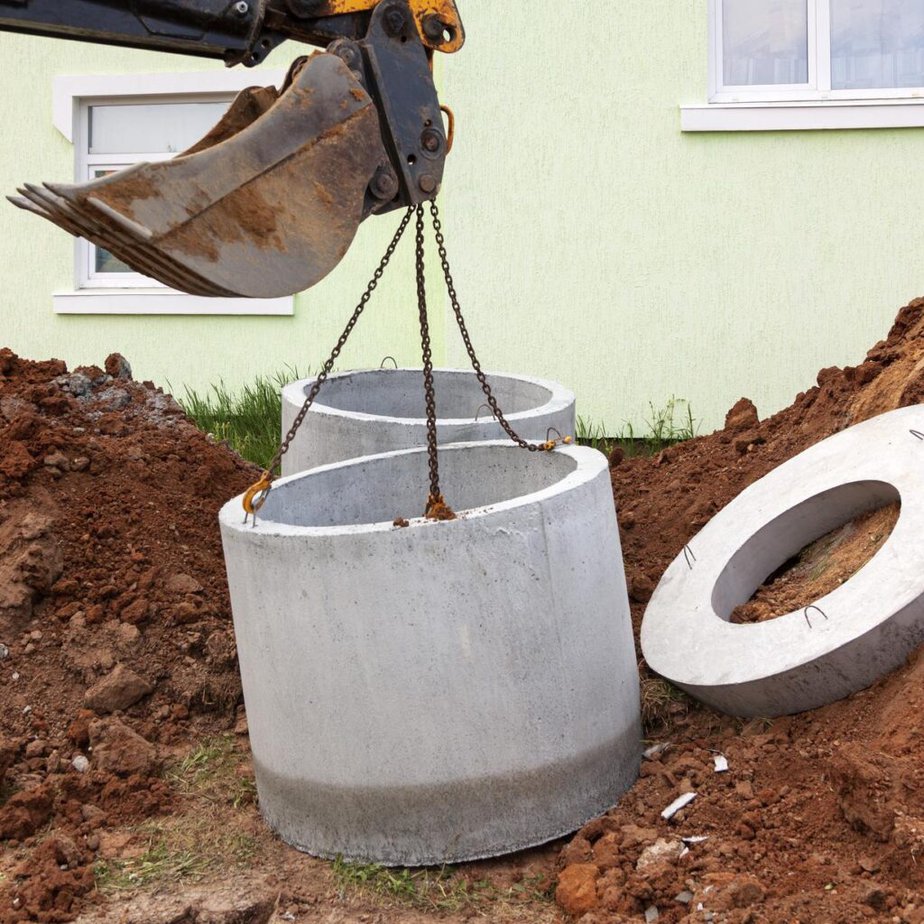
Did you know that you can prevent costly repairs to your septic system simply by following a few do’s and don’ts and creating a maintenance plan?
It’s true! A little bit of knowledge in this area can go a long way!
Why Proper Septic Tank Maintenance is Essential
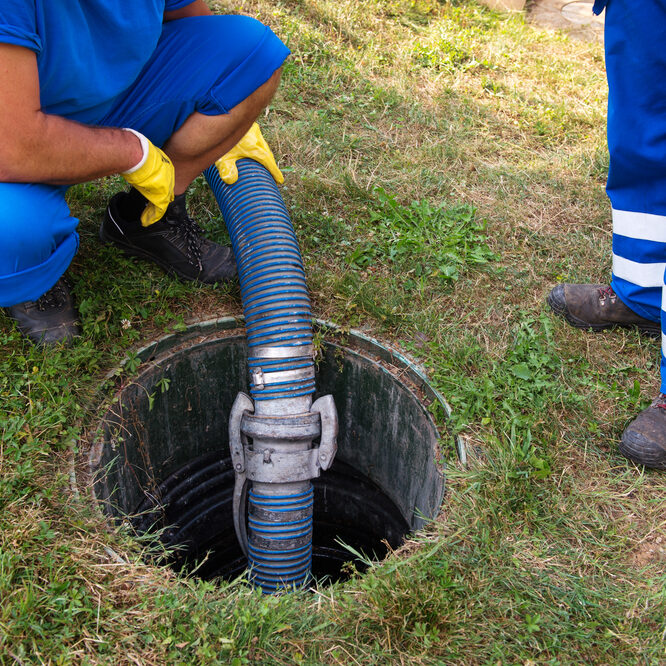
Regular maintenance and inspections are vital if you want to avoid costly repairs. Leaking septic tanks, clogged lines, and/or a non-working drain field are all costly repairs that everyone wants to avoid.
Septic tank problems most often occur from a lack of maintenance or regular inspections and general misuse of the septic system.
The truth is that most people don’t understand how their septic tank system works, let alone what type of septic system maintenance is required.
In a nutshell, regular maintenance and inspections will prevent costly repairs.
Prevent Costly Septic Tank Mistakes with Regular Maintenance and Inspections
Don’t forget that regular inspections of the septic system and the leach field are also important to prevent possible problems before they occur.
By following our simple do’s and don’ts, you will be taking a huge step in the right direction!
Do's for Maintaining your Septic Tank: The Best Tips
- Schedule regular maintenance. You should pump out the solid waste in your septic tank every 3-5 years.
Conserve water. Repair water leaks and use low-flow water-saving devices on every faucet, shower head, and toilet in the house! Monitoring your water usage is one of the best ways to help keep your system running smoothly.
Protect and inspect the drain field. Have it inspected whenever you have the septic system pumped or cleaned.
Use septic-approved products. Look for cleaning products and toilet paper that state they are safe for septic systems. You can use septic tank additives if you like, but the truth is that we aren’t convinced that they work. They don’t cause harm, so you can use them if you like.
Teach everyone in your household about the septic system. Go over the list of Don’ts with everyone in your house to avoid problems.
Run only full loads when using washing machines or a dishwasher. Water conservation matters!
Do your laundry over several days, not in one go. Limit yourself to no more than 3 full loads of laundry per day.
Make sure that your septic tank is the right size for your household. Expand or replace your septic tank with a larger or better design if your family has grown substantially.
Limit the food scraps that get into the sink. Scrape plates into the garbage first or start a compost bin.
Let’s look at all the easy tips you should be doing to avoid costly repairs and keep the overall system working as efficiently as possible.
The Importance of Professional Septic Tank Inspections to Avoid Damage
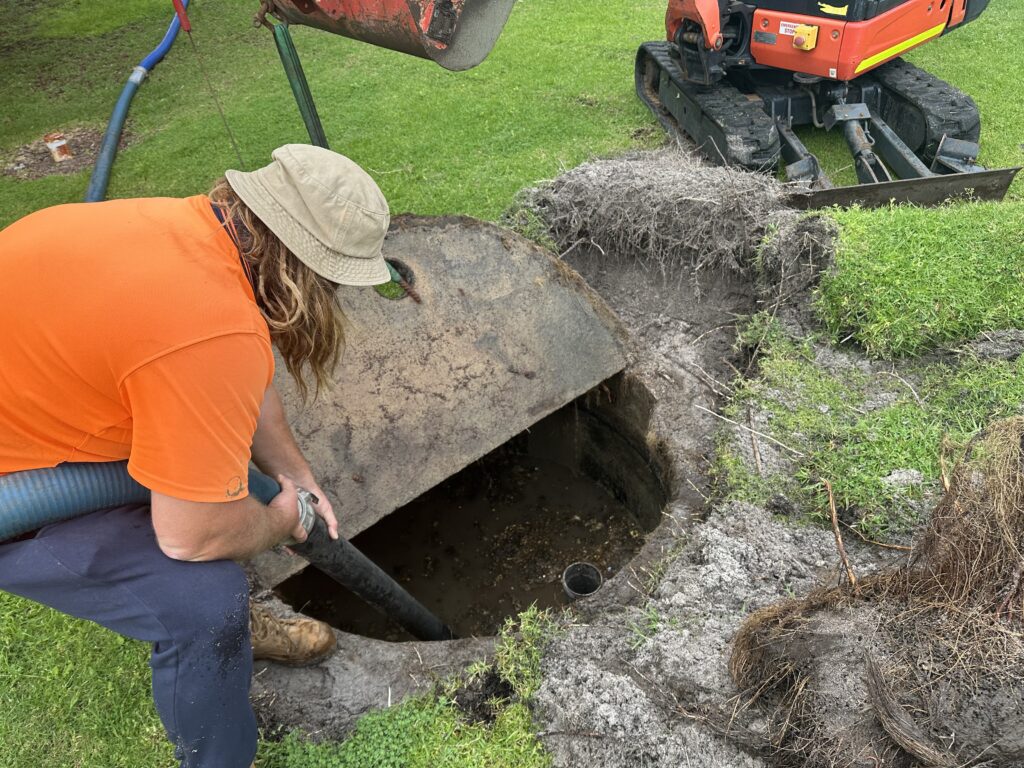
When you call Superior Septics, our highly skilled technicians will do a full inspection and assess your septic system’s overall integrity, check for leaks or clogs, inspect the effluent filter, and ensure that the system meets all environmental standards.
We will also inspect the drain field for possible damage and evaluate the bacteria in the soil to ensure that it can break down the waste and that the soil is not saturated.
Prevent Costly Repairs with Routine Septic Tank Inspections
When you receive regular inspections and septic system maintenance from Superior Septics, you will prolong the life and the efficiency of your septic tank and drain field, avoiding costly repairs.
Don'ts for Septic Tank Care:
Common Mistakes to Avoid
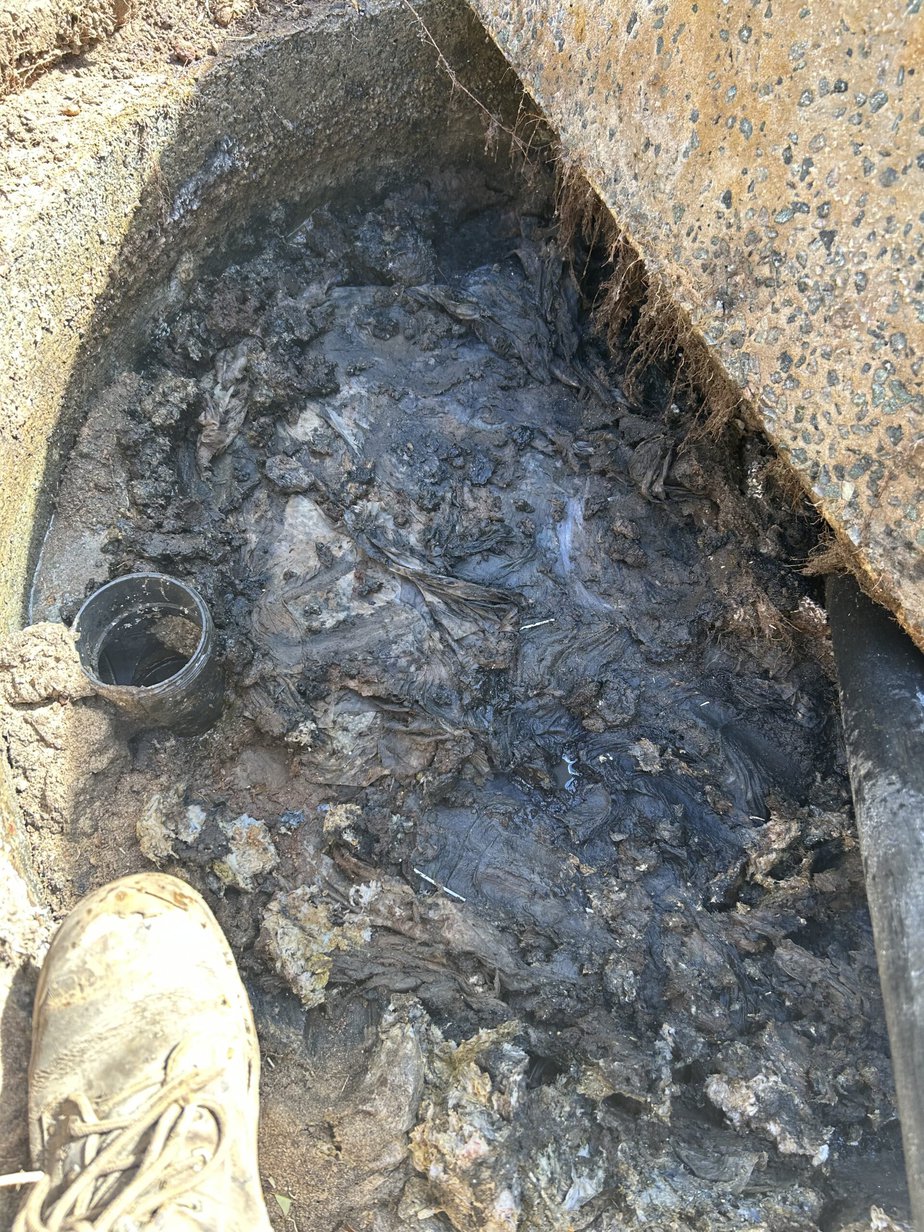
Don’t flush products not approved for septic tanks. Toilet paper, cigarette butts, feminine hygiene products, disposable diapers, baby wipes, sanitary products, dental floss, paper towels, and other products that are not biodegradable should never be put in your septic system.
Don’t ignore unusual activity. Gurgling drains, slow drains, dirty-looking water in the toilet, bad smells from drains, or soggy soil around the leach drain field are all warning signs that the septic tank is full of solid waste and needs to be pumped.
Don’t pour harsh chemicals, bleaching agents, drain cleaners, or grease down the drain. As you would expect, grease clogs pipes, and harsh chemicals kill the good bacteria that allow your system to work as it should.
Don’t dump even biodegradable items down the drain. While coffee grounds, food scraps, and other biodegradable matters are natural, they tend to be problematic. Use a composting bin or throw them out in the trash.
Don’t plant trees with invasive roots on or around the drain field. If you aren’t sure which trees are safe to plant, you can call the friendly staff at Superior Septics.
Don’t use dishwashers or washing machines during heavy rains. Rainfall is already saturating the drain field. Adding extra water from these devices puts a heavy strain on the soil.
Don’t overload your septic tank. Avoid running the dishwasher, washing machine, shower, and toilet simultaneously because this huge amount of water will overburden the irrigation field. Consider running the dishwasher today and the washing machine tomorrow.
Avoid overusing antibacterial products. Soap is naturally antibacterial so there is no need to use antibacterial soaps. Excessive use of this item can disrupt the natural, friendly bacteria that your septic system thrives on. Look for eco-friendly soaps or go with old-fashioned bar soaps that are environmentally and septic system friendly.
These are some common mistakes most people make with their septic system.
Superior Septics: How We Help You Avoid Septic Tank Pitfalls
If you still have questions about what you can safely introduce into your septic system, call the experts at Superior Septics.
Did you know that your septic system must meet standards and follow health and environmental regulations put in place by our local council?
Regular septic system maintenance and inspections by Superior Septics can help keep your system working properly and ensure compliance with local regulations.
Start living a healthier life and call Superior Septics today for a free, no-obligation quote.
What is the Worst Thing I Could Dump Down the Drain?
It’s hard to list just one item but the top 5 would be:
- Bleach or harsh chemicals
- Drain cleaners
(especially ones that use caustic soda)
- Solvents
- Disinfectants
- Medication
Grease and food scraps are also bad for your septic system because these items can clog the lines. The same is true with coffee grounds.
What About Those Septic Tank Additives?
We’ve seen (and experimented) with quite a few septic tank additives that say they will break down solid waste, however, we’ve yet to find any that actually do very much.
None of the additives we’ve seen appear to do any harm, but you might want to consider saving your money because they also don’t do much good either.
Call Superior Septics Today for Expert Septic Tank Maintenance
Need an emergency pump out?
Are you worried that human waste is overflowing from your septic tank?
Are you concerned with wastewater management?
Have you neglected septic system maintenance for a while now?
We are experts in efficient waste management systems for all of Perth and surrounding neighbourhoods.
Call us today!
We offer competitive waste management services for all our Perth customers!